


发布时间: 2026-09-11 14:37:42 浏览量:次
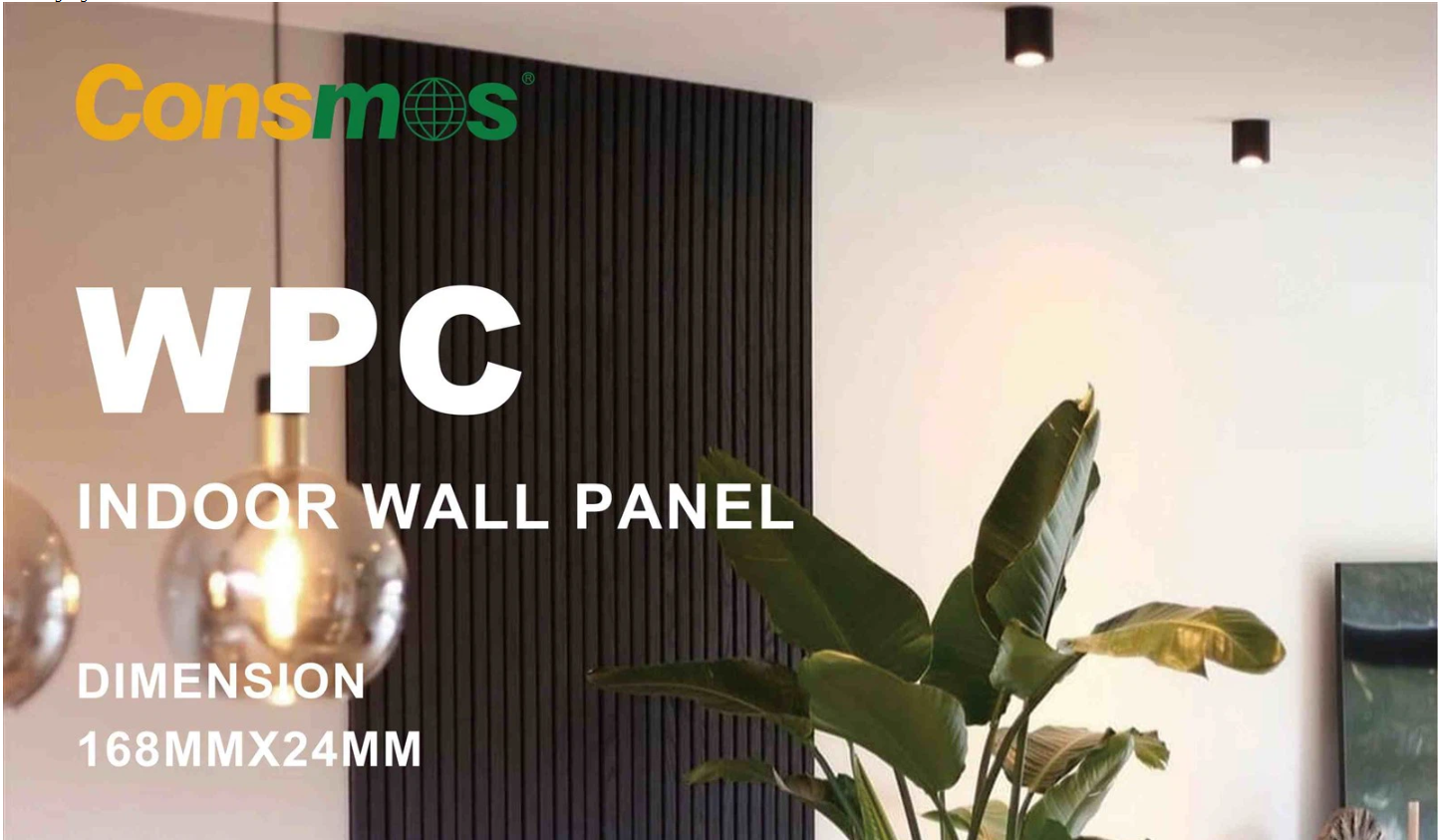
A well-designed room should feel comfortable as well as look good. Hard surfaces such as glass, tile and concrete can leave a space sounding lively, with conversation and everyday noise lingering longer than expected. Wooden slat acoustic panels bring a warmer visual texture to these interiors while introducing sound-absorbing surfaces into the design.
When considering Consmos wooden slat acoustic panels, start with the needs of your project: the finish you want, the room’s acoustic conditions and the installation method. These details help determine which panel specification is suitable—and what performance you should expect.

A Wood Slat Finish That Fits the Space
The appeal of a slatted wall comes from its proportions. Narrow, repeating lines give a large surface definition, while wood tones soften interiors dominated by painted walls, metal or stone.
Vertical slats can emphasise the height of a room. A horizontal arrangement draws attention across a wall. For a restrained look, use the panels on one selected surface and let the surrounding finishes remain simple.
Colour selection deserves a physical sample. A finish that looks warm on a screen may appear cooler under office lighting or darker beside flooring. Compare the sample with nearby furniture, paint and joinery in the actual space before confirming an order.
For larger installations, also check how panel joints and slat spacing will align. A small mismatch becomes more noticeable when repeated across a long wall.

Understanding the Acoustic Role
Sound absorption and sound insulation serve different purposes. An acoustic wall treatment is intended to help control reflected sound within a room. Preventing sound from travelling between rooms usually requires a broader approach to walls, doors, ceilings and other transmission paths.
With slatted acoustic systems, performance depends on the complete construction. The slat layout, sound-absorbing backing, panel coverage and mounting arrangement all matter. An installation directly against a wall may perform differently from one using an air cavity or additional absorbent material.
When reviewing a Consmos specification, ask for acoustic test information that matches the proposed panel and installation. If an NRC or other absorption rating is supplied, check the tested assembly rather than treating the number as a property of the decorative face alone.
For projects with defined acoustic targets, panel selection should form part of the room's overall acoustic design.
Where to Consider Wooden Slat Acoustic Panels
Different rooms call for different priorities.
| Space | Main design consideration | What to check |
|---|---|---|
| Living room or TV area | A feature wall that works with furniture and lighting | Finish sample, wall coverage and fixing details |
| Office or meeting room | Speech comfort alongside a professional appearance | Acoustic requirements and supporting test information |
| Reception or retail space | A consistent finish across visible wall areas | Panel joints, batch consistency and maintenance |
| Restaurant or hospitality interior | Appearance under frequent use | Cleaning requirements, durability and project-specific fire requirements |
A panel selected for a residential feature wall should not automatically be assumed suitable for every commercial setting. Confirm the requirements of each location before specifying the product.
Details to Confirm Before Ordering
A useful quotation starts with a clear specification. Share the intended application with Consmos and confirm:
- Construction: slat core, visible wood or wood-look finish, backing material and total thickness.
- Dimensions: panel size, slat spacing, tolerances and estimated quantity.
- Appearance: finish reference, sample approval and acceptable colour variation.
- Installation: suitable fixing method, wall preparation, edge treatment and cutting guidance.
- Documentation: relevant acoustic, fire or emissions information where the project requires it.
- Supply terms: available options, minimum order quantity, packaging and estimated lead time.
These details make it easier to compare quotations on a like-for-like basis. Price per panel alone may not reflect differences in panel size, construction, finish or installation requirements.
Plan the Installation Before the Panels Arrive
Review the wall layout early, including sockets, switches, corners and the positions of shelves or screens. Agree on where the panel pattern will begin and how it will finish at each edge.
Follow the fixing instructions for the selected Consmos model and the wall substrate. Heavy fittings should have suitable structural support; do not assume a decorative panel can carry them.
If the acoustic design calls for a cavity or additional material behind the panels, include that build-up in the installation plan. Changing it on site may change the acoustic result.
Frequently Asked Questions
Are wooden slat acoustic panels soundproof?
They should not be treated as a complete soundproofing solution. Their acoustic role is to help manage sound reflections within a room. Reducing sound transmission to adjacent spaces requires assessment of the wider building construction.
Are the slats solid wood?
The product name alone does not establish the construction. Confirm whether the selected Consmos model uses solid wood, a veneered core or another decorative finish, together with the backing specification.
How many panels will my room need?
For decorative coverage, quantity depends on the wall dimensions, panel size, layout and cutting allowance. For acoustic treatment, room volume, existing finishes and the desired result also influence the amount and placement of material.
Can the panels be used in a bathroom or damp area?
Confirm suitability for the specific model before installation. Moisture resistance depends on the core, surface finish, backing and edge details. A panel intended for a dry interior should not be assumed suitable for damp conditions.
Can panel size or finish be customised?
Ask Consmos to confirm available options for the selected model. Provide the required dimensions, finish reference and quantity so that feasibility, sample requirements and lead time can be checked.
What should I send when requesting a quotation?
Send the wall dimensions or drawings, project location, intended use, preferred finish and required delivery date. Include any acoustic or other technical requirements so the quotation can address the full specification.



-
 Address: Room 303, Phase I, Yigao Shanghai Street, Lanshan District, Linyi City, Shandong Province, China
 -
 Tel: 0086-539-8608988
 -
 E-mail: sales@consmos.com


Copyright© Consmos Group